Pastel fashion has long captivated style enthusiasts, transcending trends to establish itself as a timeless staple in wardrobes across the globe. From its historical origins to its vibrant presence in contemporary fashion, pastel colors evoke a sense of softness and elegance that resonates with a diverse audience. This article examines the evolution of pastel hues, their influence on modern trends, and provides practical tips for incorporating these appealing shades into one’s wardrobe. Explore how to embrace the charm of pastels and enhance your personal style.
The History of Pastel Fashion
The history of pastel fashion is extensive and multifaceted, embodying a combination of cultural significance and the evolution of fashion trends throughout the decades.
Beginning with the soft colors characteristic of the Rococo period, which emphasized a romantic aesthetic, pastel hues have continued to play a prominent role in contemporary runway collections. Pastel fashion consistently showcases a timeless appeal that resonates with fashion enthusiasts in the present day.
Its enduring popularity can be attributed to the emotional connections that these muted tones evoke, establishing them as a staple in seasonal wardrobes across generations.
Origins and Evolution of Pastel Colors in Fashion
The origins of pastel colors in fashion can be traced to various artistic movements that celebrated soft, muted tones, which are often associated with romance and elegance. Over the years, pastel shades have evolved through different eras, reflecting changing tastes in fashion and cultural significance, and have ultimately become integral to minimalist designs and classic silhouettes.
During the Rococo period of the 18th century, these delicate hues adorned garments that emphasized grace and femininity, thereby setting a precedent for future fashion trends. Prominent designers such as Chanel and Dior later incorporated these ethereal colors into their iconic collections, skillfully blending them into modern aesthetics.
The craftsmanship involved in tailoring pastel garments often includes hand-dyed fabrics, intricate embroidery, and artisanal techniques that enhance their appeal.
Color theory plays a crucial role in this context, as these soft shades evoke feelings of calm and nostalgia, making them a favored choice for establishing emotional connections in branding. This strategic utilization of color resonates with a wide audience, further solidifying pastels as a timeless staple within the fashion landscape.
The Enduring Popularity of Pastel Fashion
The sustained popularity of pastel fashion can be attributed to its versatility and the timeless appeal of its color palettes, which integrate seamlessly into seasonal wardrobes and fashion statements.
Whether for casual elegance or haute couture, pastel hues have established a prominent presence in every fashion season, resulting in consistent demand among fashion influencers and enthusiasts alike.
Influence on Modern Fashion Trends
Modern fashion trends have been notably shaped by the resurgence of pastel colors, with fashion influencers at the forefront of this movement through innovative styling and outfit coordination. Pastel pieces have become essential components in crafting visually appealing ensembles that reflect individual style while adhering to contemporary fashion sensibilities.
These soft hues evoke a sense of calmness and elegance, playing a crucial role in the collections of modern designers, where they are prominently featured in both runway shows and street style.
For example, renowned designers have skillfully integrated pastel shades into their garments, pairing them with complementary accessories such as delicate jewelry and chic handbags to enhance the overall aesthetic.
Utilizing layering techniques with pastel fabrics enables individuals to experiment with textures and dimensions, resulting in a refined yet relaxed appearance. By embracing these elements, fashion enthusiasts can foster an emotional connection with their wardrobe, creating outfits that resonate with their unique identities while remaining in alignment with current trends.
How to Incorporate Pastel Fashion into Your Wardrobe
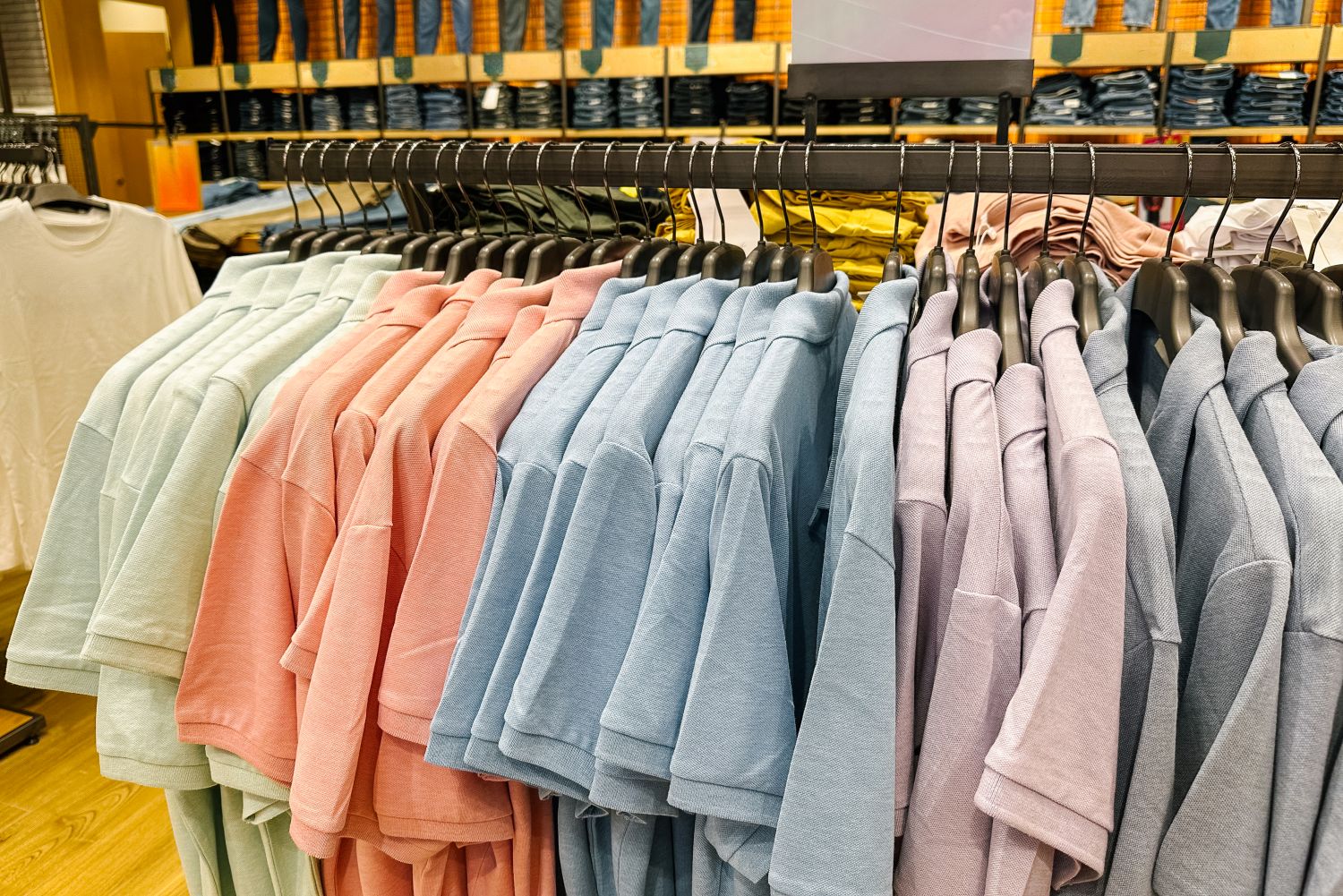
Incorporating pastel fashion into one’s wardrobe necessitates strategic outfit coordination and a thorough understanding of how to effectively mix and match pastel pieces with other colors and textures.
By including pastel skirts, blouses, and accessories, individuals can establish a collection of wardrobe essentials that not only elevate their everyday attire but also provide versatile styling options suitable for various fashion seasons.
Tips for Styling and Pairing Pastel Pieces
When styling pastel pieces, it is advisable to incorporate bold contrasts and playful patterns to achieve a dynamic visual appeal that complements the soft colors. Mixing pastel prints with more neutral tones or muted colors can elevate an outfit while maintaining a balance that is both chic and elegant.
To master the art of modern chic, one should consider layering textures that add depth and dimension to the ensemble. For example, pairing a pastel blouse with a structured blazer can create an interesting silhouette.
Additionally, creating a mood board that juxtaposes these softer shades with statement accessories-such as a vibrant handbag or eye-catching jewelry-can be beneficial.
This approach not only enhances personal style but also facilitates a seamless transition through various fashion seasons. By thoughtfully combining pastel elements with bolder pieces, individuals can curate looks that are versatile, fresh, and stylish.